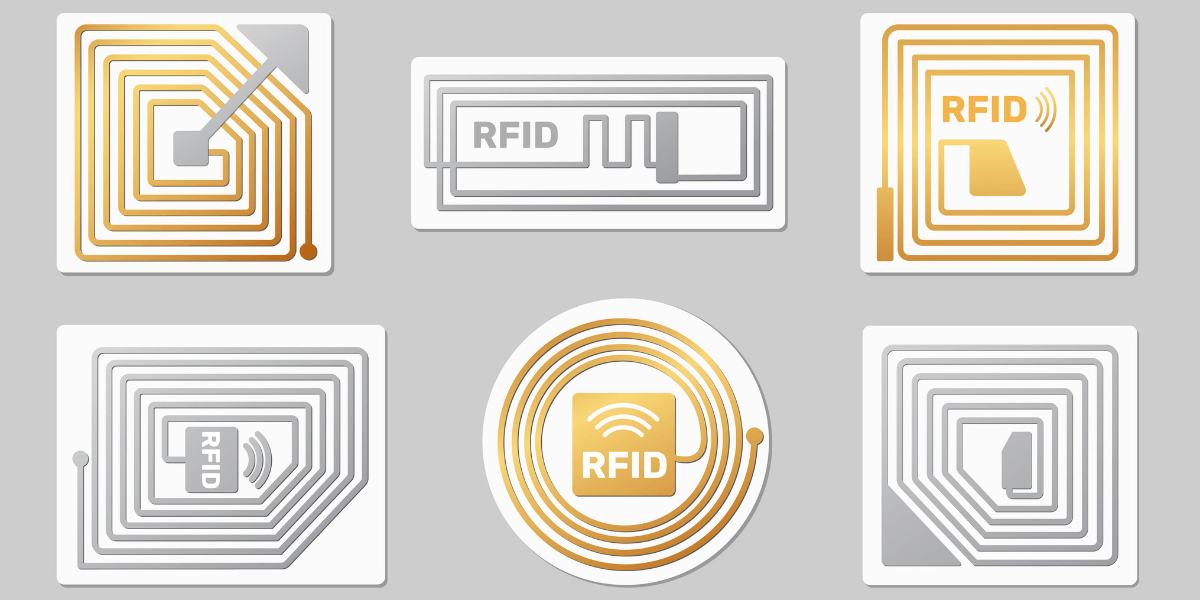
How RFID Technology is Transforming Everyday Shopping Experiences
RFID technology is revolutionizing the way consumers engage with retail environments. By utilizing radio frequency identification, retailers can streamline inventory management and enhance the shopping experience. RFID tags attached to products allow for real-time tracking, reducing stock discrepancies and ensuring that items are readily available for shoppers. This not only minimizes the frustration of out-of-stock products but also enhances the speed of checkout processes as multiple items can be scanned simultaneously, creating a seamless flow for customers in physical stores.
Moreover, the integration of RFID technology enables personalized shopping experiences. Retailers can collect valuable data about consumer behavior, preferences, and buying patterns through RFID systems. This information can be leveraged to tailor marketing efforts, such as personalized promotions or product recommendations, thus enhancing customer satisfaction. Additionally, innovative stores are beginning to implement self-checkout systems powered by RFID, allowing shoppers to enjoy a faster, more efficient shopping experience without the need for traditional cashiers.
Counter-Strike is a highly popular first-person shooter game that has become a staple in the gaming community. Players can choose to take on the role of either terrorists or counter-terrorists in a series of strategic team-based matches. The gameplay emphasizes teamwork, strategy, and skill, making it a favorite for competitive gamers. For those looking for new technology, check out the Top 10 Alternatives to Bluetooth Trackers which offer a variety of tracking solutions.
The Role of RFID in Streamlining Inventory Management: A Closer Look
RFID (Radio Frequency Identification) technology has emerged as a game-changer in the field of inventory management. By utilizing electromagnetic fields to automatically identify and track tags attached to objects, RFID offers a faster and more accurate alternative to traditional barcode systems. One of the primary advantages of RFID is its ability to read multiple tags simultaneously without the need for line-of-sight, significantly reducing the time spent on stock takes and stock replenishment. This capability not only enhances operational efficiency but also minimizes human error, leading to a more reliable inventory system.
Furthermore, the integration of RFID into inventory management systems enables businesses to gain real-time visibility over their stock levels. This level of insight allows for better forecasting, optimized supply chain processes, and improved decision-making. By employing RFID, companies can implement a just-in-time inventory system, reducing carrying costs and ensuring that products are available when needed. As industries continue to evolve towards automation, the role of RFID in streamlining inventory management is undeniable, paving the way for smarter, more efficient operations.
RFID vs. Barcodes: Which is Better for Your Everyday Needs?
When it comes to tracking and managing inventory, the debate between RFID and barcodes is often at the forefront. RFID (Radio Frequency Identification) technology employs radio waves to read and capture information stored on tags attached to objects, offering significant advantages over traditional barcodes. Unlike barcodes, which require a line of sight for scanning, RFID can operate from several feet away, allowing for faster and more efficient inventory management. This results in reduced labor costs and enhanced accuracy, making it an appealing option for retailers and warehouses alike.
On the other hand, barcodes are simpler, more cost-effective, and serve perfectly for everyday needs where the scale and speed of item scanning is manageable. They utilize printed labels that require a scanner to read the optical code. For businesses with lower volumes of items or less complex inventory systems, barcodes remain a reliable choice. Ultimately, the decision between RFID and barcodes should be guided by specific business needs, volume of inventory, and budget considerations, ensuring the right technology is employed for optimal efficiency.