The Rise and Fall of Keyboard Layouts: QWERTY vs. Alternative Designs
The rise of the QWERTY keyboard layout is a fascinating tale of innovation and adaptation. Originally designed in the 1870s to prevent typewriter jams by spacing out commonly used letter pairs, QWERTY quickly became the standard layout for English typewriters and later, computer keyboards. Its popularity was largely driven by its early adoption and the network effects that followed; as more people learned to type using QWERTY, its dominance solidified. However, with the advent of alternative designs, such as Dvorak and Colemak, discussions around optimizing typing efficiency and comfort have intensified. Proponents argue that these layouts can significantly reduce finger movement, potentially enhancing typing speed and decreasing strain.
Despite the promising attributes of alternative keyboard layouts, the fall of QWERTY maintains its grip on the market due to inertia and familiarity. Many users remain reluctant to switch from QWERTY simply because they have invested time in mastering it. Additionally, software and hardware compatibility play a crucial role; most operating systems are defaulted to QWERTY, making it challenging for users to transition. While alternative layouts continue to gain a niche following among enthusiasts and ergonomic advocates, the overwhelming prevalence and entrenched use of QWERTY suggest that it will remain a primary choice for the foreseeable future. Ultimately, the debate between QWERTY and alternative designs reflects broader themes in technology adoption and user behavior.
If you're looking to enhance your typing experience, exploring the Top 10 Keyboard Accessories can provide you with essential tools such as wrist rests, keycap pullers, and custom keycaps. These accessories not only improve comfort but also boost your productivity. Investing in the right gear makes all the difference in your daily computing tasks.
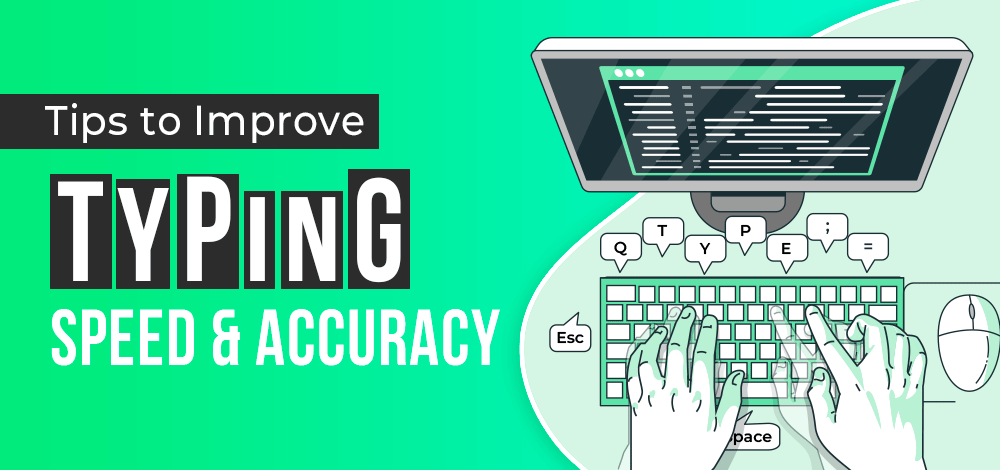
Mastering Keyboard Skills: Tips for Improved Typing Speed and Accuracy
Mastering keyboard skills is essential in today's digital age, and improving your typing speed and accuracy can significantly enhance your productivity. To start, consider implementing the touch typing technique, which involves using all your fingers without looking at the keyboard. Practice regularly with online tools and typing software that can help you track your progress. Additionally, setting specific goals, such as increasing your words per minute (WPM) by a certain amount each week, can motivate you to improve further.
Another effective way to enhance your keyboard skills is by focusing on proper ergonomics. Ensure your workstation is set up to promote good posture, as this can prevent fatigue and improve your overall typing performance. Make sure your keyboard is positioned at a comfortable height, and take breaks during long typing sessions to avoid strain. Incorporating keyboard shortcuts can also save you time and effort, allowing you to navigate software more efficiently. By integrating these tips into your daily routine, you'll be well on your way to mastering your keyboard skills.
How Have Keyboard Skills Changed with the Advent of Touchscreens?
The advent of touchscreens has significantly transformed keyboard skills, transitioning from traditional physical keyboards to virtual interfaces. While tactile feedback from mechanical keys used to be crucial for typing speed and accuracy, touchscreen technology demands a different set of skills. Users must now navigate the absence of tactile cues, leading to an increased reliance on visual feedback and muscle memory. This shift necessitates a new learning curve, particularly among younger generations who have grown up in a touchscreen-dominated environment, often favoring swiping and tapping over traditional typing methods.
Moreover, the integration of predictive text and autocorrect features has changed how we think about keyboard skills. With these tools, users can now type more quickly with fewer errors, while the emphasis shifts from accuracy in keystrokes to effective communication through smartphone keyboards. As a result, traditional typing classes may become less relevant, with educators increasingly focusing on teaching students how to optimize their typing strategies for touchscreens. This evolution illustrates how keyboard skills are not simply disappearing but are adapting to the needs of modern technology.