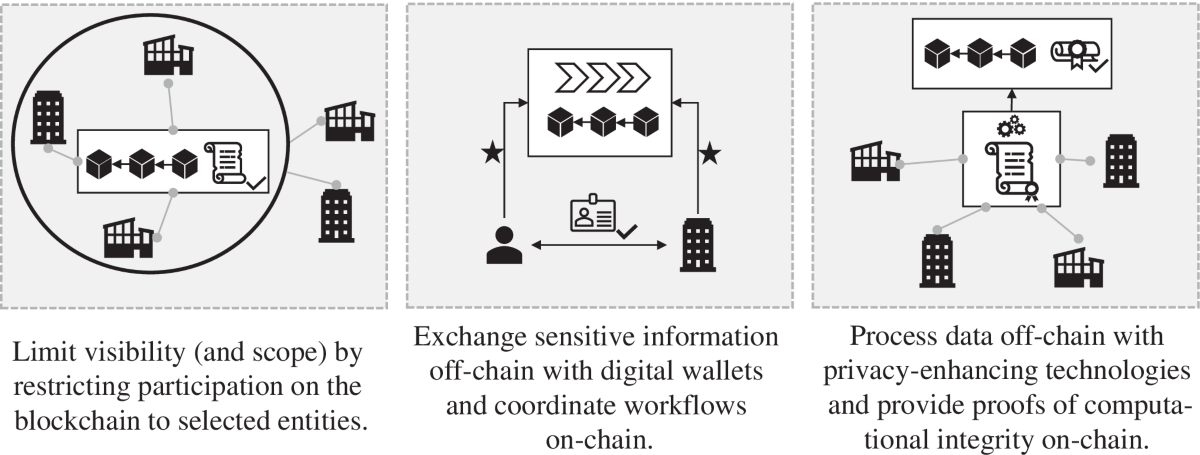
Understanding Blockchain Transparency: How It Works and Why It Matters
Understanding blockchain transparency is crucial in navigating the evolving landscape of digital transactions and data storage. At its core, blockchain operates as a decentralized ledger that records all transactions across a network of computers. This transparency allows every participant in the network to access and verify the transaction history without relying on a central authority. This means that every transaction is immutable and can be traced back to its origin, ensuring accountability. Blockchain transparency minimizes the risks of fraud and manipulation, which is particularly essential in industries such as finance, supply chain, and healthcare.
Moreover, the importance of blockchain transparency extends beyond security; it fosters trust among users and stakeholders. In a world increasingly concerned with data privacy and integrity, transparent systems facilitate open communication and collaboration. Businesses can leverage blockchain technology to provide customers with verified information about product origins, compliance, and changes in ownership. As a result, organizations that adopt this technology not only enhance their operational efficiency but also build a reputation for integrity in their dealings, ultimately leading to improved customer loyalty and brand value.
Counter-Strike is a popular tactical first-person shooter game that emphasizes teamwork and strategy. Players assume the roles of terrorists or counter-terrorists, competing in various game modes. To enhance your gaming experience, you might want to check out the cryptocasino.com promo code which offers exciting bonuses for players looking to bet on their favorite games.
The Importance of Blockchain Transparency Reports: Key Insights for Investors
In the rapidly evolving world of cryptocurrency and blockchain technology, transparency reports play a crucial role in fostering trust and accountability among investors. These reports provide detailed insights into a blockchain's operational protocols, transaction volumes, and compliance with regulations. By leveraging blockchain transparency, investors can make informed decisions based on the integrity and performance of the projects they are considering. Furthermore, the availability of these reports can significantly reduce the risk of fraud and manipulation, as they offer a clear view of the project's financial health and operational processes.
Additionally, transparency reports serve as a valuable tool for assessing the long-term viability of blockchain projects. Investors can identify key trends and anomalies through regular updates, helping them gauge the sustainability of the ecosystem. For example, monitoring the growth of user adoption and transaction rates can provide insights into a project's future potential. Key insights extracted from these reports empower investors to differentiate between promising and questionable investments, ultimately contributing to a more stable and mature blockchain market.
How to Interpret Blockchain Ledger Data: A Guide for the Curious
Understanding how to interpret blockchain ledger data is crucial for those curious about the technology behind cryptocurrencies and decentralized systems. A blockchain ledger is essentially a distributed database that maintains a continuously growing list of records, known as blocks. Each block contains a timestamp and a cryptographic link to the previous block, ensuring the integrity and security of the data. To get started, one should familiarize themselves with key concepts such as hashing, transactions, and smart contracts. Resources like blockchain explorers are helpful tools that allow you to visualize and track the data on various blockchains.
Once you're comfortable with the basics, you can begin analyzing specific transactions and patterns within the blockchain ledger. For instance, utilizing filtering tools can help you identify wallet addresses, transaction volumes, and timestamps. Additionally, understanding how to read block confirmations can provide insights into the security of transactions. Data analysis techniques, such as clustering or network analysis, can also be applied to uncover trends or anomalies. As you delve deeper into the intricacies of blockchain data, remember to keep an eye on the evolving regulatory landscape that may influence how this valuable information is used and interpreted.