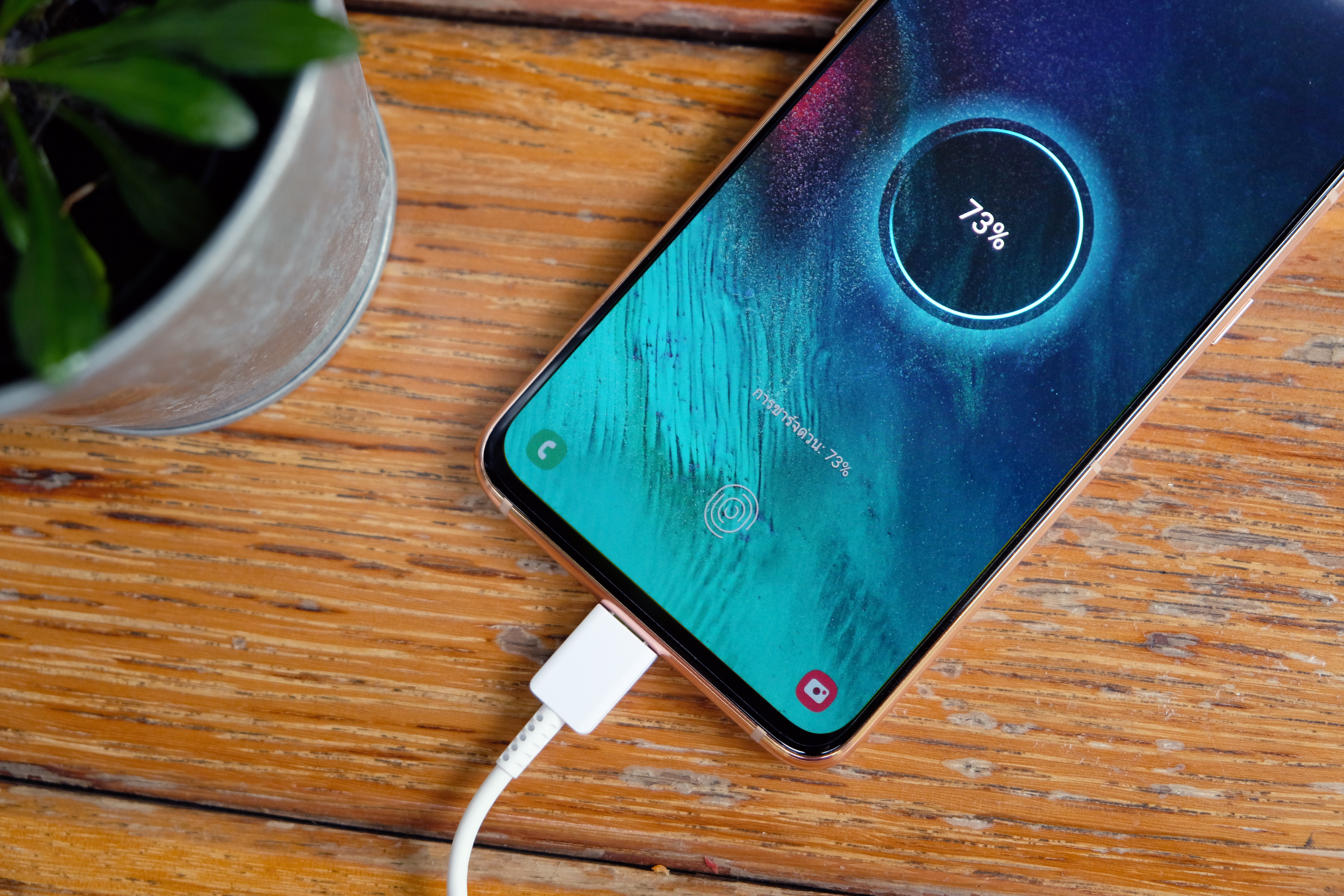
The Science Behind Fast Charging: How It Works and Why It Matters
The Science Behind Fast Charging delves into the intricate mechanisms that enable rapid energy transfer to devices such as smartphones, electric vehicles, and laptops. At its core, fast charging operates by increasing the flow of electrical current into the battery, utilizing higher voltages and superior technology like USB Power Delivery or Qualcomm Quick Charge. These systems intelligently communicate with the device to optimize charging speeds while preventing overheating, prolonging battery life. Battery management systems play a crucial role in enforcing safety protocols, ensuring that the charging process remains both efficient and safe.
Understanding why fast charging matters is essential in our fast-paced digital world. With the demand for quick recharges and longer battery life, consumers expect their devices to adapt to their busy lifestyles. Factors such as time efficiency and convenience come to the forefront as individuals seek ways to power up their devices in minimal time. Additionally, advancements in fast charging technology not only benefit everyday users but also contribute to the broader adoption of electric vehicles, making them more attractive and practical options for environmentally conscious consumers.
Counter-Strike is a popular tactical first-person shooter game that has captivated millions of players worldwide. In this game, teams of terrorists and counter-terrorists compete to complete objectives, such as planting bombs or rescuing hostages. Players need sharp reflexes and strategic thinking to succeed, making it a favorite among eSports enthusiasts. If you're interested in gaming accessories, check out the Top 10 Short Charging Cables to enhance your setup!
Fast Charging vs. Standard Charging: What's the Difference?
Fast charging and standard charging are two popular methods used to power up electronic devices, but they operate on different principles and offer varying benefits. Fast charging technology utilizes higher voltage and current to increase the rate at which batteries are charged, allowing users to achieve more significant battery levels in a shorter amount of time. Most modern smartphones and gadgets support these fast charging standards, such as Qualcomm Quick Charge or USB Power Delivery, and can deliver up to 50% charge in just 30 minutes. In contrast, standard charging, typically provides power at a lower voltage and current, resulting in longer charging times. For users who prioritize speed and efficiency, understanding these differences can help in selecting the right charging method for their devices.
While fast charging offers the convenience of shorter charging periods, it may come with some trade-offs. The increased heat generated during rapid charging can impact a device's battery lifespan if used consistently over time. On the other hand, standard charging is generally gentler on batteries, promoting gradual energy uptake that may extend overall battery life. Ultimately, the choice between fast charging and standard charging depends on personal preferences and the specific usage scenarios of each user. For those who are always on the go, fast charging may be an ideal solution, whereas others might prefer the longevity benefits provided by standard charging methods.
Is Fast Charging Bad for Your Device? Debunking Common Myths
Fast charging has become a standard feature for many modern devices, but it's surrounded by myths that can lead to confusion among users. One common myth is that fast charging significantly deteriorates battery lifespan. In reality, while heat management is crucial for battery health, most devices come equipped with sophisticated charging circuits designed to optimize power delivery and manage heat effectively. Thus, using a fast charger that’s compatible with your device is typically safe, provided it's from a reputable manufacturer.
Another misconception is that fast charging can cause immediate damage to your device. This is largely unfounded, as manufacturers incorporate safety features into their devices that monitor battery health and temperature. Furthermore, modern smartphones and tablets are designed to handle fluctuations in power input, allowing them to switch to slower charging rates when the battery reaches certain thresholds. Embracing fast charging can enhance user convenience without compromising device integrity when used appropriately.