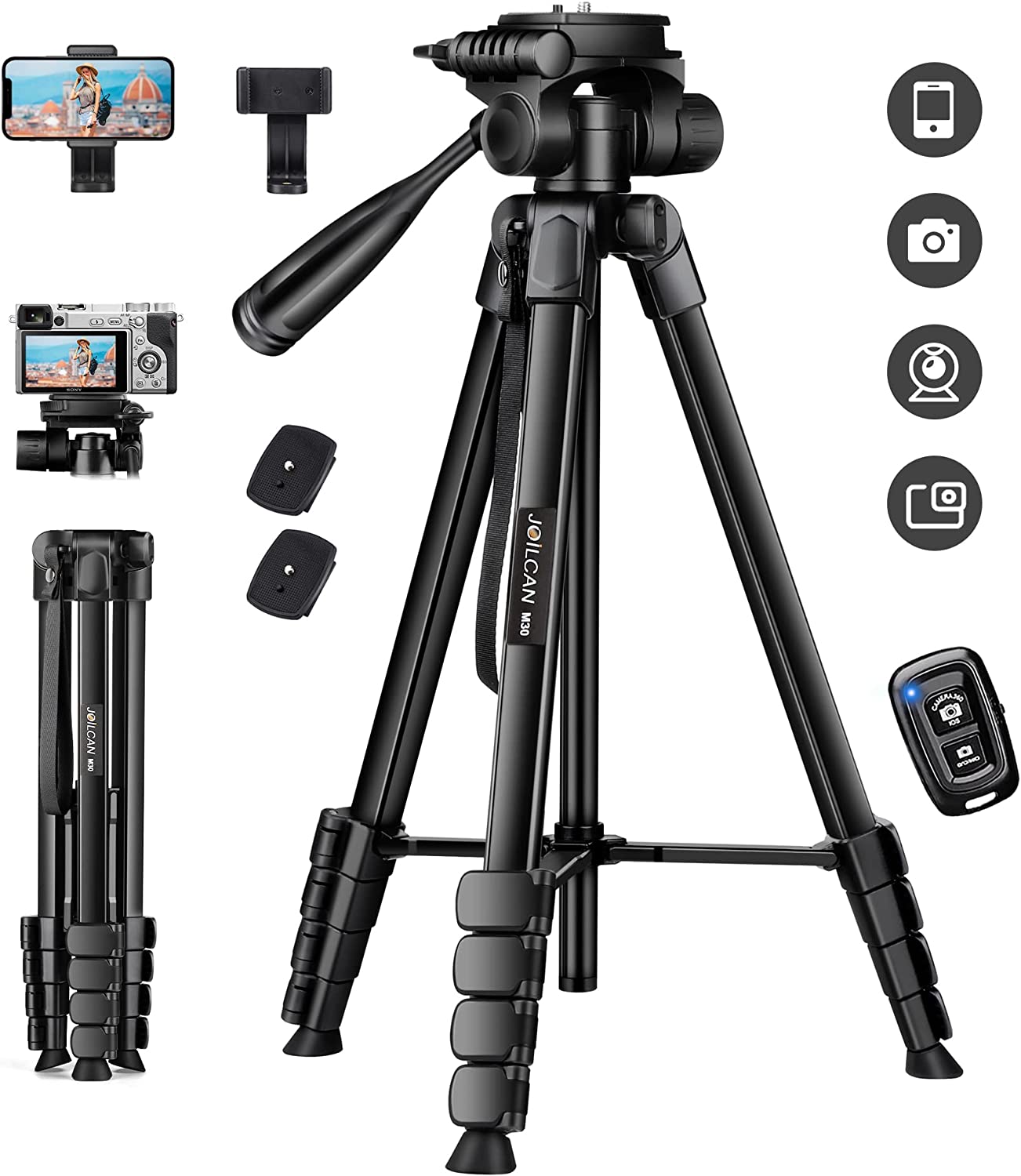
The Evolution of Tripods: From Basic Stands to High-Tech Stabilizers
The journey of tripods has been nothing short of fascinating, evolving significantly from their basic origins to the advanced stabilizers we see today. Initially, tripods were simply three-legged stands designed to support a camera or other devices, primarily used in still photography and later adapted for video. Early tripods were often made from wood or metal, prioritizing durability over flexibility. As photography and videography grew in popularity, so did the need for more adaptable and versatile support systems. This led to innovations in materials and design, resulting in lighter structures that could easily adjust in height and position, which are essential for capturing those perfect shots.
Fast forward to today, and we see a remarkable transformation in tripod technology. Modern tripods are equipped with high-tech stabilizers and state-of-the-art materials, such as carbon fiber and aluminum, which enhance both strength and portability. Furthermore, the introduction of features like gimbals, remote controls, and fluid heads allows for unprecedented precision in camera movements, making them invaluable for professionals in filmmaking and photography. As technology continues to evolve, we can anticipate even more innovative advancements in tripod design, ensuring that photographers and videographers can push the boundaries of creativity and capture their visions with unparalleled clarity.
Counter-Strike is a popular series of multiplayer first-person shooter games where teams of terrorists and counter-terrorists compete to complete objectives. Players can choose various weapons and equipment, adapting their strategies to the changing dynamics of each match. For those interested in capturing their gaming experiences, consider checking out the Top 10 Mobile Vlogging Accessories to enhance your setup.
Top 5 Tripod Features You Didn't Know You Needed
When it comes to photography, a good **tripod** can make all the difference, but not all tripods are created equal. Here are the top 5 tripod features you didn’t know you needed. First is the quick-release plate. This handy feature allows you to switch between handheld and tripod shots with ease, saving you precious time during a shoot. Next, consider a tripod with 360-degree rotation. This flexibility lets you capture stunning panoramic shots without having to reposition your entire tripod, improving your efficiency and creativity.
Another must-have feature is adjustable leg angles. With this, you can set your tripod legs at different angles, making it easier to shoot on uneven terrain or achieve low-angle shots. Additionally, look out for a built-in level. This small detail helps ensure your shots are perfectly aligned, making framing your subject easier than ever. Lastly, a lightweight yet sturdy material, such as carbon fiber, is essential for any **photographer** on the go, providing durability without the added bulk. By considering these often-overlooked features, you can enhance your photography experience significantly.
How to Choose the Perfect Tripod for Your Photography Needs
Choosing the perfect tripod for your photography needs can significantly enhance your shooting experience and improve your results. When selecting a tripod, consider factors such as weight, stability, and height. A lightweight tripod is essential for travel photographers who frequently move from one location to another. However, for studio photography, you may prioritize stability over weight. Additionally, consider the maximum and minimum height of the tripod to ensure it accommodates your shooting style effectively.
Another crucial aspect to evaluate is the tripod head. There are various types, including ball heads, pan-tilt heads, and gimbals, each catering to specific photography needs. If you plan to shoot landscapes, a panoramic head may be beneficial, whereas wildlife photographers often prefer gimbal heads for smooth tracking. Reading reviews and watching demonstration videos can also guide you in finding the right tripod that aligns with your theoretical requirements and hands-on experience.