Beyond the 'Free' Label: What's Really Happening with Your Data?
The allure of “free” services is powerful, often making us overlook the implicit trade-offs. While you might not be paying with currency, you're almost certainly contributing to a complex data ecosystem. Every click, search, and interaction leaves a digital footprint, which companies meticulously collect and analyze. This data isn't just about personalizing your experience; it's a valuable commodity. It fuels targeted advertising, informs product development, and even shapes broader market trends. Understanding this fundamental exchange is crucial to navigating the digital landscape proactively rather than passively.
So, what exactly is happening with your data? It's a multi-faceted process that goes far beyond simple storage. Companies employ sophisticated algorithms to:
- Segment users: Grouping individuals based on shared characteristics and behaviors.
- Predict preferences: Anticipating what products or services you might be interested in.
- Monetize information: Selling aggregated or anonymized data to third parties.
hidden costsof 'free' and actively manage your digital footprint to protect your personal information.
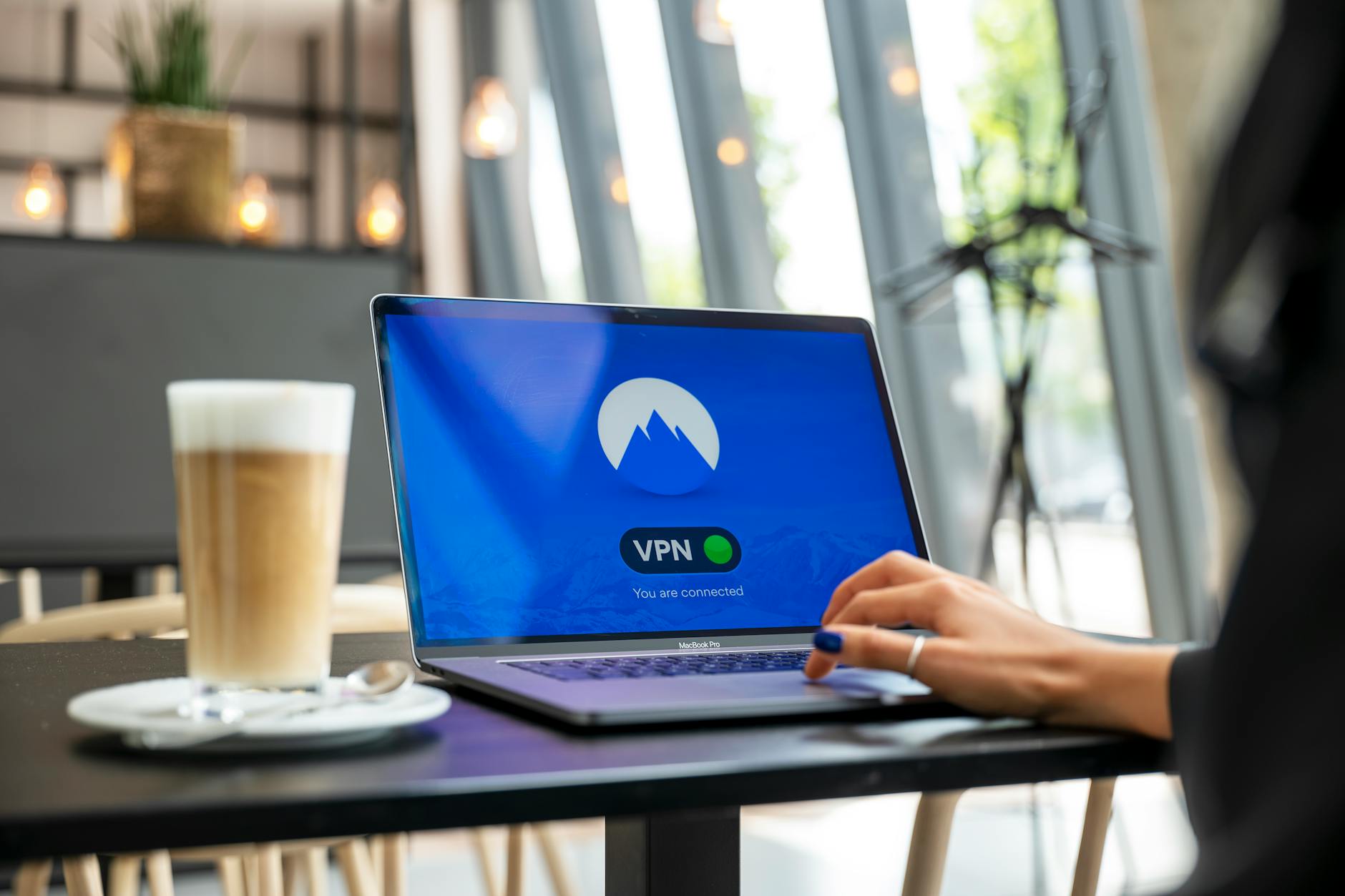
Many people search for a reliable free vpn extension to enhance their online privacy and access geo-restricted content. These extensions can seamlessly integrate into your browser, offering a quick and convenient way to encrypt your internet traffic and mask your IP address. While convenient, it's important to research the reputation of any free VPN service to ensure your data remains secure.
Navigating the Free VPN Minefield: How to Spot a Secure vs. Shady Extension
The allure of a free VPN browser extension is undeniable – instant privacy and geo-unblocking at no apparent cost. However, this convenience often comes with significant hidden risks. The internet is awash with extensions that, while promising anonymity, may actually be compromising your data. Many free VPNs collect and sell your browsing history, inject ads into your sessions, or even contain malware. It's crucial to understand that running a VPN service, even a basic one, incurs server and maintenance costs. If a provider isn't charging a subscription, they are likely monetizing your data in other, less transparent ways. Therefore, a key step in navigating this minefield is to approach all free VPN extensions with extreme skepticism.
Distinguishing a secure free VPN from a shady one requires a methodical approach and a keen eye for red flags. Begin by scrutinizing the extension's privacy policy (if one even exists) for any mention of data collection, sharing with third parties, or logging practices. A trustworthy provider will clearly state a strict no-logs policy. Next, check user reviews, but be wary of overwhelmingly positive yet vague feedback, which can be faked. Look for extensions with a long-standing reputation and transparent company information. Avoid those that demand excessive permissions beyond what's necessary for VPN functionality. Finally, consider the source: extensions from unknown developers or those that have been delisted from official app stores are almost certainly best avoided. Prioritize your digital safety over the fleeting convenience of a 'free' service.