The Essential Guide to Reading Maps: Mastering the Basics
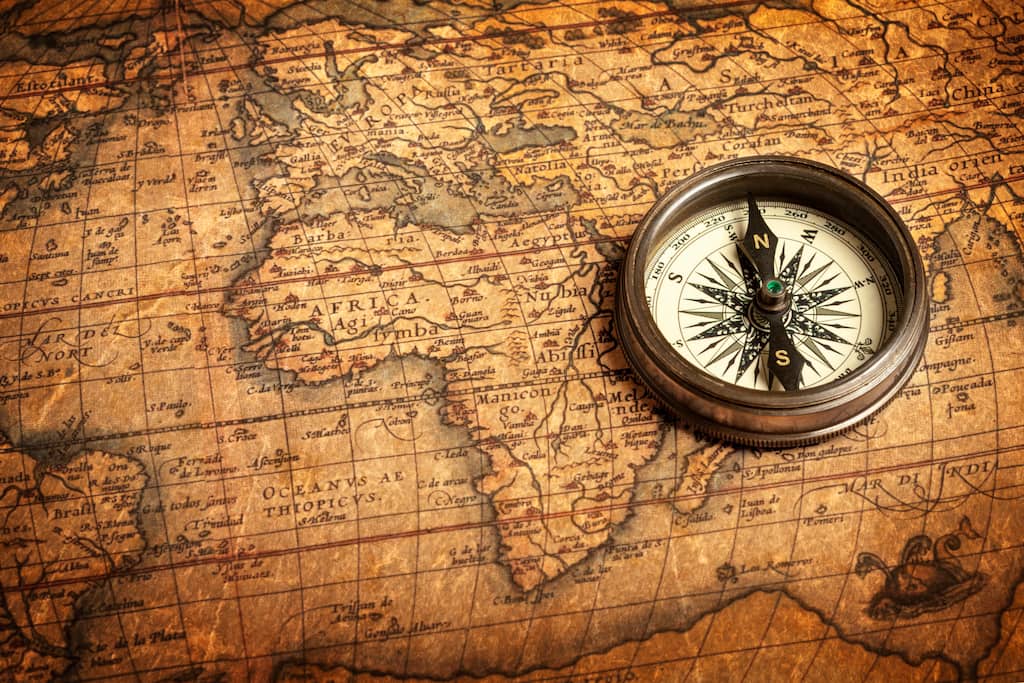
Reading maps is an essential skill that everyone should master, whether you’re an avid traveler or just exploring your local area. Understanding how to interpret different types of maps can greatly enhance your navigation skills. Maps come in many forms, including road maps, topographic maps, and digital maps, each serving a unique purpose. To get started, familiarize yourself with the key elements of a map, such as the title, scale, legend, and compass rose. These components will help you understand what the map represents and how to use it effectively.
Once you grasp the basics, practice your skills by using various maps to plan a route or find a specific location. Start by identifying the scale of the map, which indicates the ratio of distance on the map to actual distance on the ground. Additionally, keep an eye on the legend to decode symbols representing different landmarks, terrain features, and services. Don't forget to use the compass rose to orient yourself and understand directions. By honing these skills, you will gain confidence in reading maps and improve your overall navigational abilities.
If you're looking to enhance your driving experience, the Top 10 MagSafe Accessories for Cars can help make your road trips more convenient and enjoyable. From wireless chargers to sleek mounts, these accessories are designed to keep your devices secure and charged while you navigate. Upgrade your car setup with these innovative products today!
Top 5 Navigation Apps to Keep You on Track
In today's fast-paced world, having the right navigation app can significantly enhance your travel experience and keep you on track. Whether you're commuting through busy city streets or embarking on a weekend road trip, the right tools can ensure you reach your destination efficiently. Here are the Top 5 Navigation Apps that every traveler should consider:
- Google Maps: This widely-used app offers real-time traffic updates, alternate routes, and even public transportation information. It's perfect for both driving and walking navigations.
- Waze: Known for its community-driven information, Waze provides users with the latest traffic alerts and road hazards, ensuring you avoid delays.
- Apple Maps: Ideal for iOS users, Apple Maps has improved significantly over the years, with features like lane guidance and improved transit directions.
- HERE WeGo: Great for offline navigation, HERE WeGo allows you to download maps and use them without an internet connection, making it perfect for trips where data is limited.
- MapQuest: One of the original navigation apps, MapQuest offers reliable directions along with options for finding nearby restaurants and gas stations.
Understanding GPS Technology: How It Works and Why It Matters
Understanding GPS technology begins with a grasp of how the Global Positioning System (GPS) functions. Initially developed for military navigation, GPS utilizes a constellation of at least 24 satellites orbiting the Earth. These satellites broadcast signals that enable a GPS receiver—found in devices like smartphones and navigation systems—to triangulate its exact position. By calculating the time it takes for signals to travel from multiple satellites to the receiver, GPS can determine its geographic coordinates with remarkable accuracy, typically within a few meters.
Beyond navigation, why GPS matters extends into various aspects of modern life. For example, it plays a crucial role in sectors such as agriculture, where farmers rely on GPS technology for precision farming techniques, optimizing crop yields while minimizing waste. In addition, GPS is essential for logistics and transportation, ensuring timely deliveries and efficient route management. As our society continues to advance technologically, the implications of GPS technology only become more significant, underpinning everything from emergency response systems to location-based services in everyday applications.