Understanding USB 3: What Makes It Faster Than Its Predecessors?
USB 3.0, also known as SuperSpeed USB, revolutionized data transfer rates with its maximum speed of up to 5 Gbps, significantly outpacing its predecessor, USB 2.0, which tops out at 480 Mbps. This dramatic increase in speed is primarily due to enhanced data transfer protocols and improved hardware architecture. Unlike USB 2.0, which can only handle one data stream at a time, USB 3.0 utilizes a dual-bus architecture, allowing it to carry data and power simultaneously through multiple channels. This means that not only can you transfer large files much faster, but devices connected through USB 3.0 can also communicate more efficiently.
Another key element that sets USB 3 apart is its ability to provide greater power management capabilities. With the added power delivery features, USB 3.0 can supply up to 900mA of current compared to the 500mA offered by USB 2.0. This enhancement not only accelerates charging times for devices but also supports more power-hungry peripherals. As more devices require quicker transfers and enhanced power delivery, understanding the advantages of USB 3.0 can significantly improve your data management and connectivity experience.
If you're looking to extend the reach of your USB devices, check out the Top 10 USB Extension Cables, which feature a variety of lengths and specifications to suit different needs. These cables are essential for connecting peripherals like printers, cameras, and hard drives over greater distances without sacrificing performance.
Top 5 USB 3 Devices to Boost Your Productivity
In today's fast-paced digital world, having the right tools can significantly enhance your efficiency. USB 3 devices are designed to provide faster data transfer speeds and improved connectivity, making them essential for anyone looking to boost productivity. Here, we explore the Top 5 USB 3 devices that can transform how you work:
- USB 3 External Hard Drive: Perfect for storing large files and backups, these drives offer substantial space and lightning-fast transfer rates.
- USB 3 Flash Drive: Ideal for quick file transfers, a USB 3 flash drive can save you time with its enhanced speed and portability.
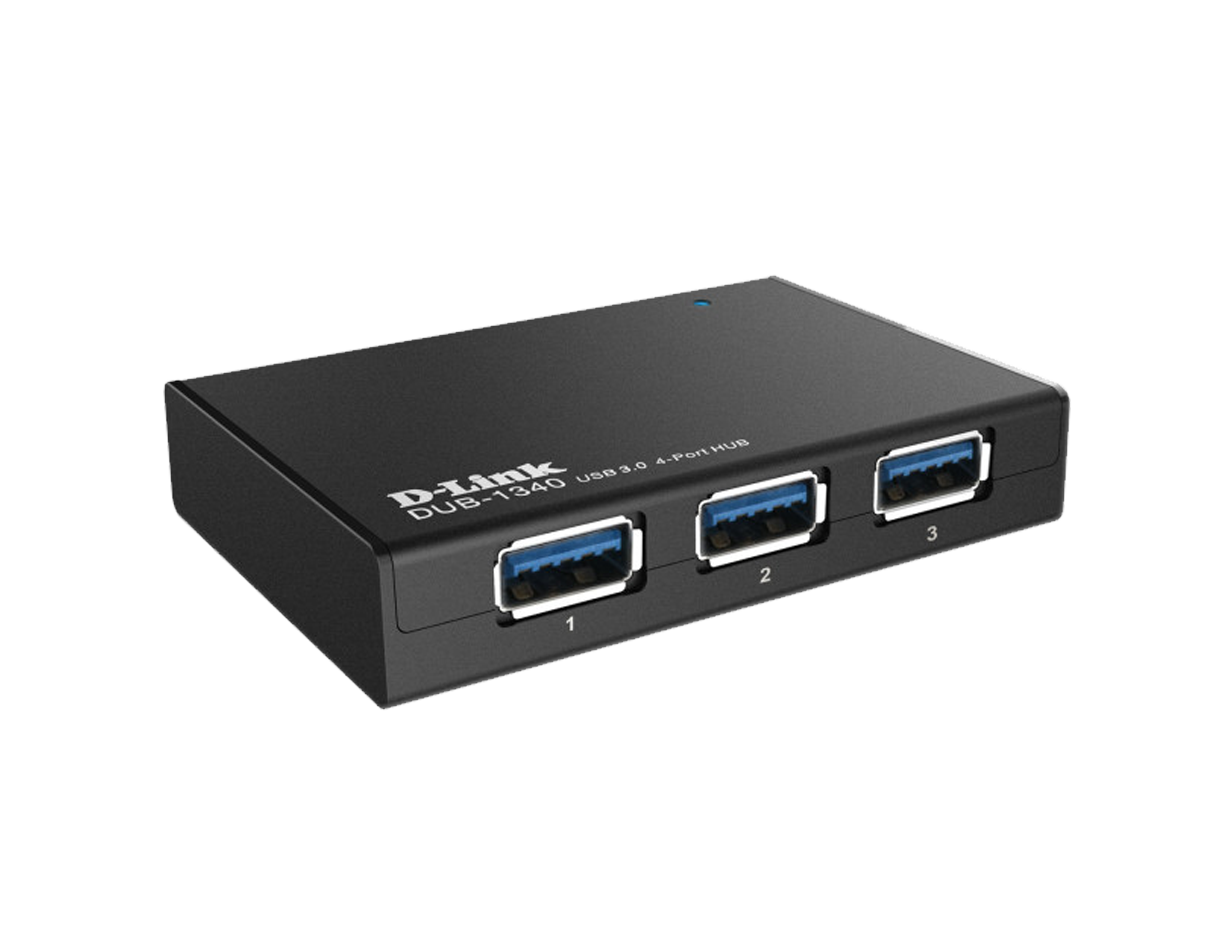
- USB 3 Hub: Expand your connectivity options with a hub that allows multiple devices to connect simultaneously without sacrificing performance.
- USB 3 Docking Station: For those using laptops, a docking station can provide multiple ports for peripherals, making it easier to set up and manage a workstation.
- USB 3 Printer: Speed up your document processing and eliminate delays with a printer that leverages the benefits of USB 3 technology.
How to Choose the Right USB 3 Cable for Maximum Speed
When selecting a USB 3 cable, it’s crucial to consider its specifications to ensure you achieve maximum speed. Start by checking the USB version; USB 3.0 cables support data transfer rates of up to 5 Gbps, while USB 3.1 can reach speeds of 10 Gbps. Additionally, examine the cable's build quality; those with thicker gauge wires typically offer better performance and durability. To help you choose the right cable, focus on the following features:
- Length: Opt for a length that balances flexibility with performance. Longer cables may suffer from signal degradation.
- Connectors: Ensure the cable has the appropriate connectors (USB-A, USB-B, or USB-C) for your devices.
- Shielding: Look for cables with good shielding to prevent interference, which can affect speed.
Once you’ve narrowed down your options, consider user reviews and professional recommendations to gauge performance in real-world scenarios. Remember that cables can vary widely, even among those branded as USB 3.0, so it’s worthwhile to invest in reputable brands known for quality. Additionally, keep in mind that maximum speed also depends on the capabilities of your devices—both the host and the peripheral must support USB 3.0 or higher to benefit from the increased data transfer rates. By making an informed choice, you can enhance your data transfer experience and ensure optimal performance for your applications.