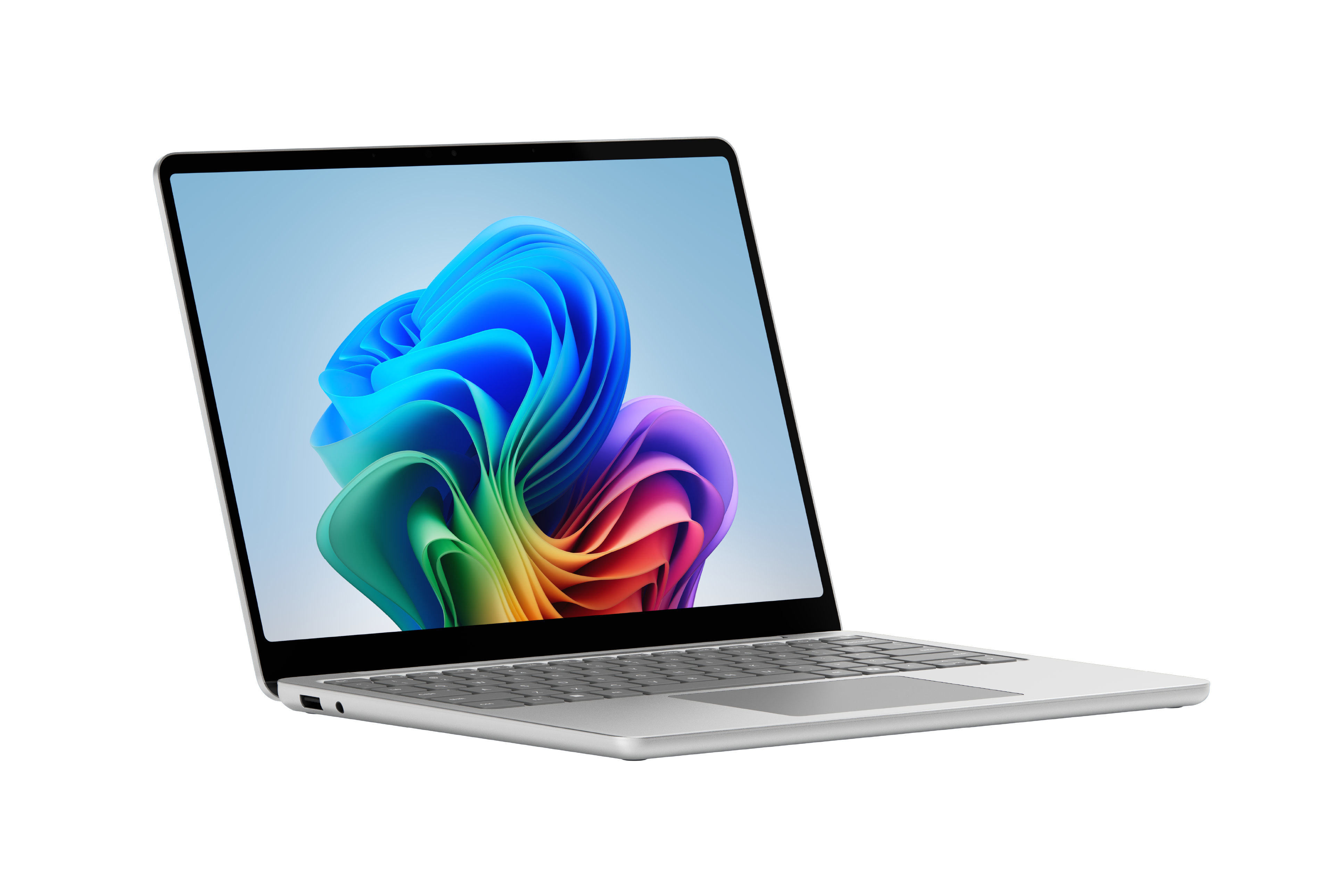
The Hidden Threat: How Your Computer's Settings Might Be Working Against You
The Hidden Threat: Many users are unaware that their computer's default settings can create vulnerabilities that jeopardize their data security. For instance, file sharing features are often enabled by default, allowing unauthorized users access to your system and sensitive files. This can be particularly risky on public networks. Additionally, not updating software and operating systems can leave critical security gaps, enabling malware to exploit these outdated applications and potentially compromise your personal information.
To safeguard your data, it’s crucial to regularly review your computer's settings. Start with the firewall configuration to ensure that it is active and appropriately configured for your needs. You should also disable any unnecessary services and features that could inadvertently expose your computer to threats. Furthermore, consider changing your passwords periodically and enabling two-factor authentication for added protection. By taking these steps, you can significantly reduce the hidden threats that might be lurking in your computer’s settings.
In today's digital age, protecting your privacy while using monitors is more important than ever. Privacy screens are an excellent solution for keeping your sensitive information away from prying eyes. If you're looking for the best options available, check out our list of the Top 10 Privacy Screens for Monitors, which feature various sizes and technologies to suit your needs.
Are Your Apps Spying on You? The Alarming Truth About Software Privacy
In today's interconnected world, the question Are your apps spying on you? is more relevant than ever. Many apps available on our smartphones and computers collect extensive data about their users, often without explicit permission. This data collection goes beyond basic functionality, with many apps gathering details such as location, browsing habits, and personal contacts. According to a study by Privacy International, over 80% of popular apps share user data with third parties, leading to growing concerns about privacy and security.
While some data collection is necessary to enhance user experience, the extent of surveillance is alarming. Users often unknowingly grant permissions that allow apps to access sensitive information. To protect yourself, consider reviewing app permissions regularly and uninstalling any applications that seem overly invasive. It's crucial to stay informed about your digital footprint and take steps to minimize the potential for unauthorized access. Remember, software privacy is your right, and being proactive can help safeguard your personal information.
Why Your Computer's Slow Performance May Be a Sign of a Bigger Issue
Experiencing slow performance on your computer can be incredibly frustrating, but it's often a symptom of a more significant underlying issue. One common cause of lagging systems is insufficient RAM, which can lead to increased load times and stuttering during multitasking. In such cases, upgrading your memory or closing unnecessary applications can provide a temporary fix. However, if sporadic slowdowns persist, it may indicate potential hardware failures, such as a failing hard drive or overheating components. Ignoring these signs could lead to irreversible damage and data loss.
Another factor to consider when diagnosing slow performance is the software ecosystem running on your system. Malware infections or resource-hungry applications can sap your computer's speed and responsiveness. To ensure optimal performance, regularly scan for viruses and keep your operating system updated. Additionally, cleaning up your hard drive by removing unused files and applications can help restore speed. Remember, addressing the symptoms of slowness without identifying the core issues may only be a temporary solution, so it's essential to take a comprehensive approach.